Val-Matic Admin posted on October 02, 2026 17:20
In water and wastewater systems, every valve plays a role in how fluid moves, stops, and changes direction. When flow changes too quickly, the result can be water hammer or surge events—sudden pressure fluctuations that can stress pipelines, damage equipment, and disrupt system performance. At Val-Matic, we understand that proper valve selection is one of the most effective ways to help utilities and engineers manage these risks before they become costly problems.
 Water hammer most often occurs when there is a rapid change in flow velocity, such as a pump starting or stopping, a valve closing too quickly, or reverse flow suddenly being halted. These events can create pressure waves that travel through the pipeline, placing strain on pipe walls, joints, fittings, pumps, and other system components.
While system design, pump controls, pipe profile, and operating conditions all influence surge potential, valve selection is a critical factor. The right valve can help control flow transitions, reduce reverse flow, release or admit air appropriately, and support long-term system reliability.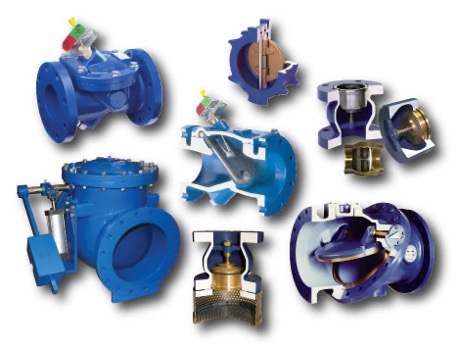
- Check Valves: Controlling Reverse Flow
Check valves are commonly installed downstream of pumps to allow one-way flow and help minimize water hammer and surges associated with rapid reverse flow. However, not all check valves respond the same way. A valve that closes too slowly may allow reverse flow to build before closure, increasing the potential for slam. A valve that closes too abruptly, or is not properly matched to the application, can also contribute to pressure transients.
For applications where surge control is a priority, design engineers should consider factors such as flow velocity, pump characteristics, pipeline profile, valve orientation, head loss, maintenance requirements, and how quickly the valve needs to close before significant reverse flow develops.
- Air Valves: Managing Air, Vacuum Conditions, and Column Separation
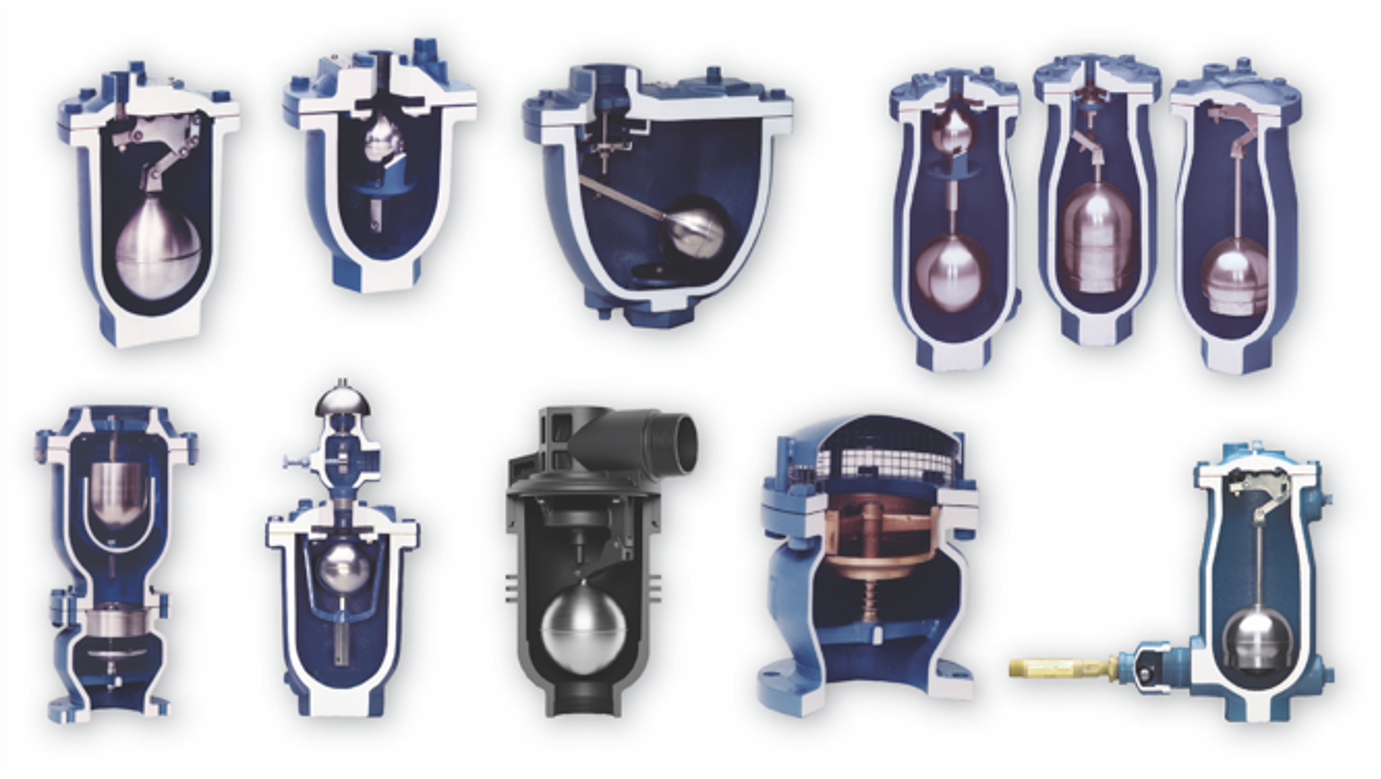
Entrapped air can reduce pipeline efficiency, create high pressure points, interfere with flow measurement, and increase the risk of surge events. In certain operating conditions, column separation can also occur, creating vacuum conditions that may damage pipelines if air is not admitted quickly enough.
Properly selected air valves help release accumulated air during operation and admit air during draining, pump shutdowns, or other negative pressure events. Combination air valves can provide both air release and air/vacuum functions, helping utilities manage air throughout the system and reduce the likelihood of destructive pressure surges caused by sudden air movement or collapsing vacuum conditions.
- Shutoff Valves and Actuation: Controlling Closure Speed
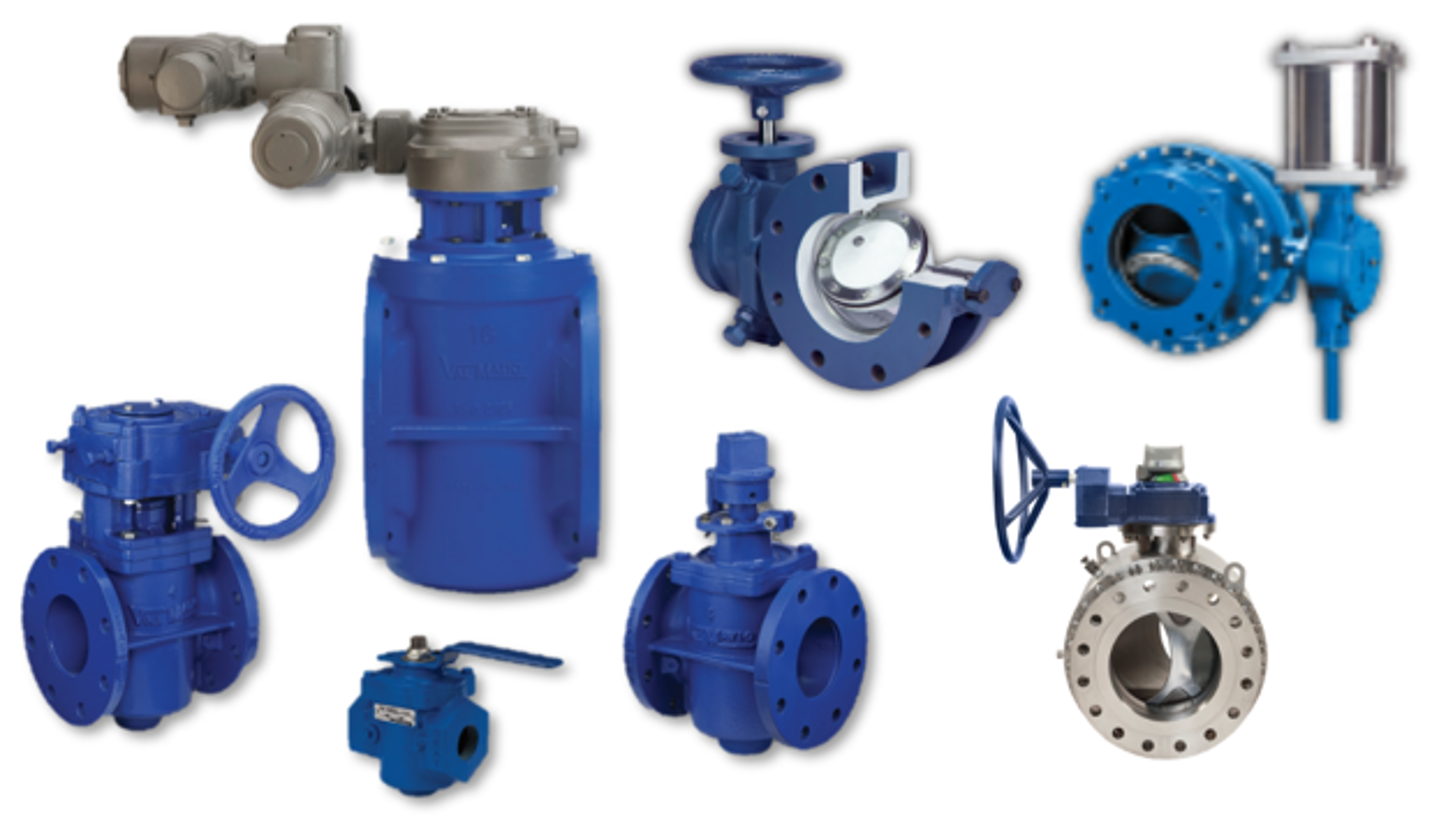
Quarter-turn valves, such as butterfly, plug, and ball valves, are often used to isolate or control flow in water and wastewater systems. Because these valves can change flow conditions quickly, closure speed and actuator selection are important considerations. Manual gear actuators, cylinder actuators, electric actuators, and control systems can all influence how gradually or abruptly a valve moves from open to closed.
When a shutoff valve is oversized, undersized, or operated too quickly, it may contribute to rapid changes in velocity. Selecting the correct valve type, size, pressure class, and actuator arrangement helps support smoother operation and can reduce the potential for damaging pressure spikes.
Water hammer and surge events can be complex, but thoughtful valve selection helps reduce risk and improve  system performance. By considering how each valve will operate under real system conditions, engineers and utilities can better protect infrastructure, extend equipment life, and support dependable service for the communities they serve.
At Val-Matic, our product offering is built around decades of application experience in water and wastewater systems. From check valves and air valves to quarter-turn valves and control solutions, our team is here to help customers select valves that meet performance expectations and help manage the demands of today’s critical infrastructure. Contact us today to learn more about how our valves can provide a solution to water hammer and surges.