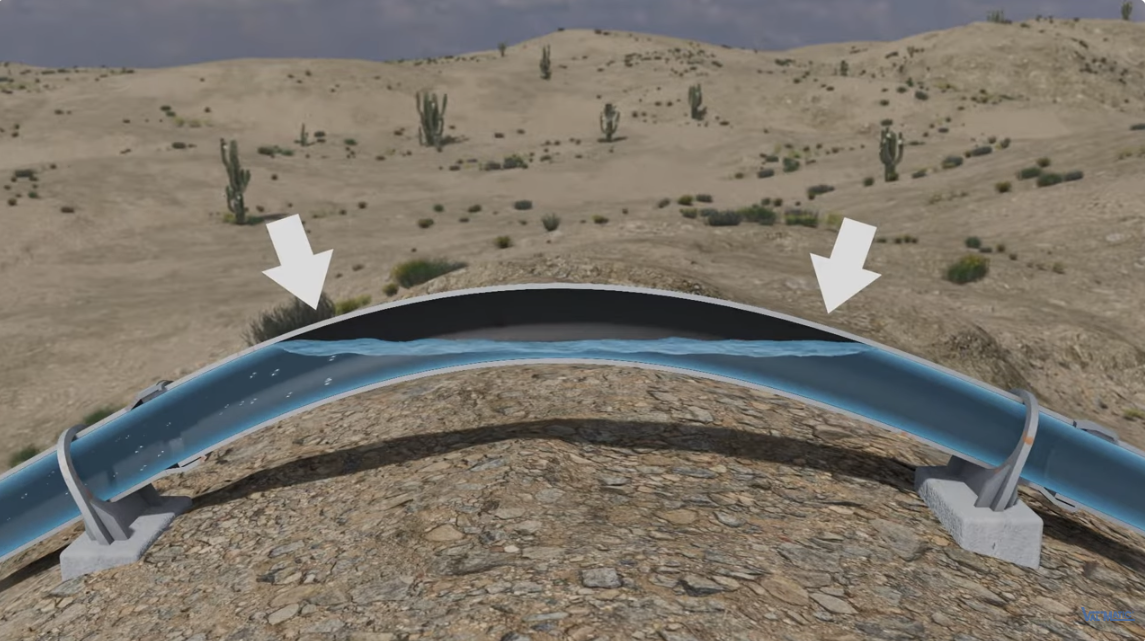
When utilities think about system efficiency, the focus is often on leaks, pipe condition, and pump performance. But one of the most overlooked—and costly—issues in water distribution systems is something you can’t always see: trapped air. Air may seem harmless, but in a pressurized water main or pipeline, it can quietly impact performance, reliability, and long-term infrastructure costs.
Where does trapped air come from? Air enters water mains more often than many realize. Common sources include:
- System startup and shutdown events
- Filling and draining of pipelines
- Pump operation and pressure fluctuations
- Leaks or maintenance activities
As pipelines refill, air can become trapped at high points, forming pockets that remain in the system if not properly released. While trapped air may not immediately trigger alarms, its long-term impact can be significant, as listed below:
Reduced Flow Efficiency
Air pockets reduce the effective cross-sectional area of the pipe, restricting flow and increasing headloss. The result? Lower system capacity, inconsistent delivery pressures, difficulty meeting peak demand. In severe cases, air can even create partial or complete flow blockages.
Increased Energy Consumption
When air restricts flow, pumps must work harder to maintain system performance. This shifts the operating point of the system, requiring more energy to move the same volume of water. Over time, this leads to higher energy costs, reduced pump efficiency, and increased wear on equipment.
Accelerated Corrosion
Air introduces oxygen into the system, which creates fuel for corrosion, especially in ferrous pipelines. Entrapped air pockets create localized zones where oxygen concentration is higher, accelerating pipe wall deterioration and shortening asset life.
Pressure Surges and Water Hammer
Air doesn’t behave like water. It compresses, expands, and moves unpredictably. During system transients, trapped air can amplify surge pressures, increasing the risk of water hammer, pipe movement, and joint failure or rupture. What starts as a small air pocket can quickly turn into a major infrastructure event.
Extended Downtime and Operational Delays
After a shutdown or main break, refilling a pipeline isn’t as simple as turning the system back on. Air must be carefully managed to avoid damaging surges. This often forces utilities to refill mains slowly, sometimes taking hours or even days to fully restore service. That delay impacts service reliability, customer satisfaction, and emergency response timelines.
Maintenance and Measurement Challenges
Air in the system can interfere with flow measurement accuracy, valve performance, and filtration processes. It can also contribute to customer complaints, such as discolored or “milky” water caused by entrained air.
Unlike leaks or breaks, trapped air doesn’t always present obvious symptoms. Systems may continue operating, just less efficiently. Because the effects are gradual, utilities may unknowingly absorb the costs through increased energy bills, more frequent maintenance, and shortened infrastructure lifespan. In other words, trapped air is a silent drain on system performance. Effectively managing air in water mains isn’t optional—it’s essential. Properly selected and placed air valves help: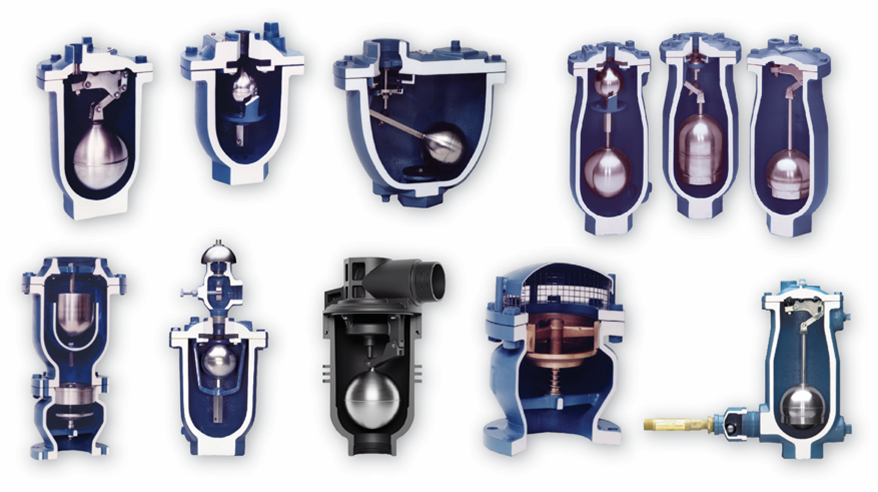
- Release accumulated air at high points
- Admit air during draining to prevent vacuum conditions
- Protect pipelines from damaging pressure transients
Without a comprehensive air management strategy, even the most well-designed system will struggle to operate at peak efficiency.
Trapped air may be invisible, but its impact is anything but. From energy inefficiency to infrastructure damage, the hidden costs add up quickly. By understanding how air behaves in a pipeline and taking proactive steps to control it, utilities can improve performance, extend asset life, and reduce operational costs. In water systems, what you don’t see can hurt you. And when it comes to air, it often does. To learn how Val-Matic air valves can provide a solution, contact us today.
Read More...