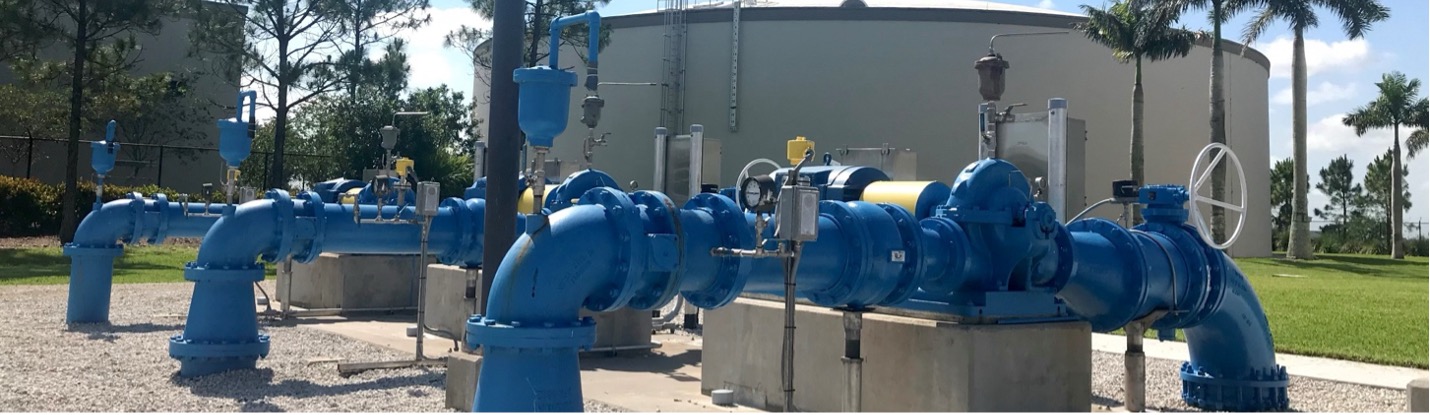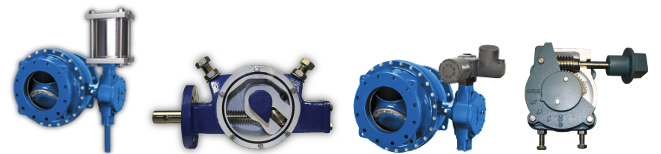
In water and wastewater systems, valve performance depends on more than the valve itself. The actuator—the mechanism that opens, closes, or positions the valve—plays a critical role in how safely, efficiently, and consistently a system operates. At Val-Matic, actuator selection is an important part of matching each valve assembly to the application, operating environment, and performance expectations.
An actuator is a mechanism that converts energy into mechanical motion. When paired with a shutoff valve, it provides the force or torque needed to move the valve’s isolating component—such as a disc, plug, ball, gate, or globe element—into the desired position. In practical terms, the actuator serves as the muscle of the valve assembly, allowing users to control flow with less physical effort, greater precision, or remote operation when needed.
Valve actuators generally fall into two major categories. Each option offers distinct advantages depending on valve size, torque requirements, frequency of operation, control needs, and site conditions:
- Manual
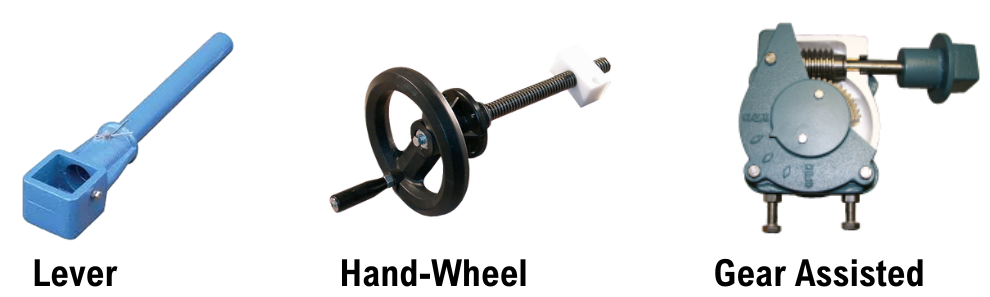
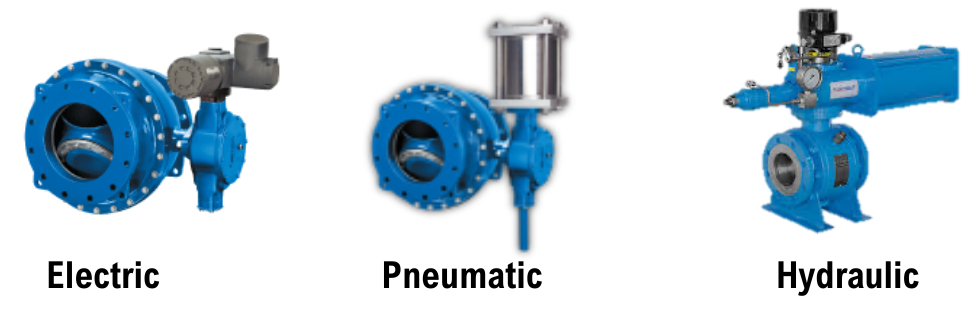
The best actuator choice depends on the valve design, operating conditions, and system goals. Quarter-turn valves (such as butterfly, plug, and ball valves) often require actuator options that can deliver controlled 90-degree rotation. Multi-turn valves (such as gate valves) may require handwheels or powered actuators capable of applying torque or thrust over multiple turns.
Key considerations include valve size, required torque, frequency of operation, location, available power source, operating speed, control requirements, and whether fail-safe operation is needed. For exam ple, a buried valve may require a corrosion-resistant input shaft and operating nut, while a valve tied into a control system may benefit from electric actuation with remote feedback and position indication.
Val-Matic designs and offers a wide range of manual and powered actuator solutions, including traveling nut actuators, worm gear actuators, cylinders, and motor-operated options. These actuator solutions are designed to support reliable performance across Val-Matic quarter-turn valves, including butterfly, plug, and ball valve applications. Val-Matic actuator products are also adaptable for specialized requirements, helping engineers and operators configure valve assemblies for their specific system needs.
A valve actuator may seem like a supporting component, but it has a direct impact on system safety, efficiency, and long-term performance. By selecting the right actuator for the valve and application, utilities and industrial facilities can improve operation, reduce manual effort, support remote control, and help protect critical infrastructure.
Whether the application calls for simple manual operation, precise electric control, or high-force cylinder actuation, Val-Matic provides actuator options designed to work with the valve—not against it—to deliver dependable performance where it matters most. Learn more by contacting us or taking the ‘Valve Actuators’ AYU course.