Val-Matic Admin posted on August 07, 2026 11:48
When a valve leaves the Val-Matic factory, it has been carefully manufactured, inspected, and tested to meet performance expectations. However, the journey from our facility to the jobsite is just as important as the manufacturing process itself. Improper receiving, handling, or storage can damage critical components long before a valve is ever installed, leading to premature failures, unnecessary repairs, and costly project delays. Taking a few simple precautions helps preserve valve integrity, extends service life, and ensures reliable performance when the valve is finally placed into operation.
Valves are precision-engineered products designed to provide dependable service for decades. While they are built for demanding applications, they are not immune to damage caused by improper handling or storage. Poor practices can result in:
- Damaged coatings that allow corrosion to develop
- Distorted flanges or valve bodies from improper lifting
- Damaged seals or internal components that affect performance
- Contamination inside the valve
- Warranty concerns and unexpected maintenance costs
- Safety risks during installation or operation
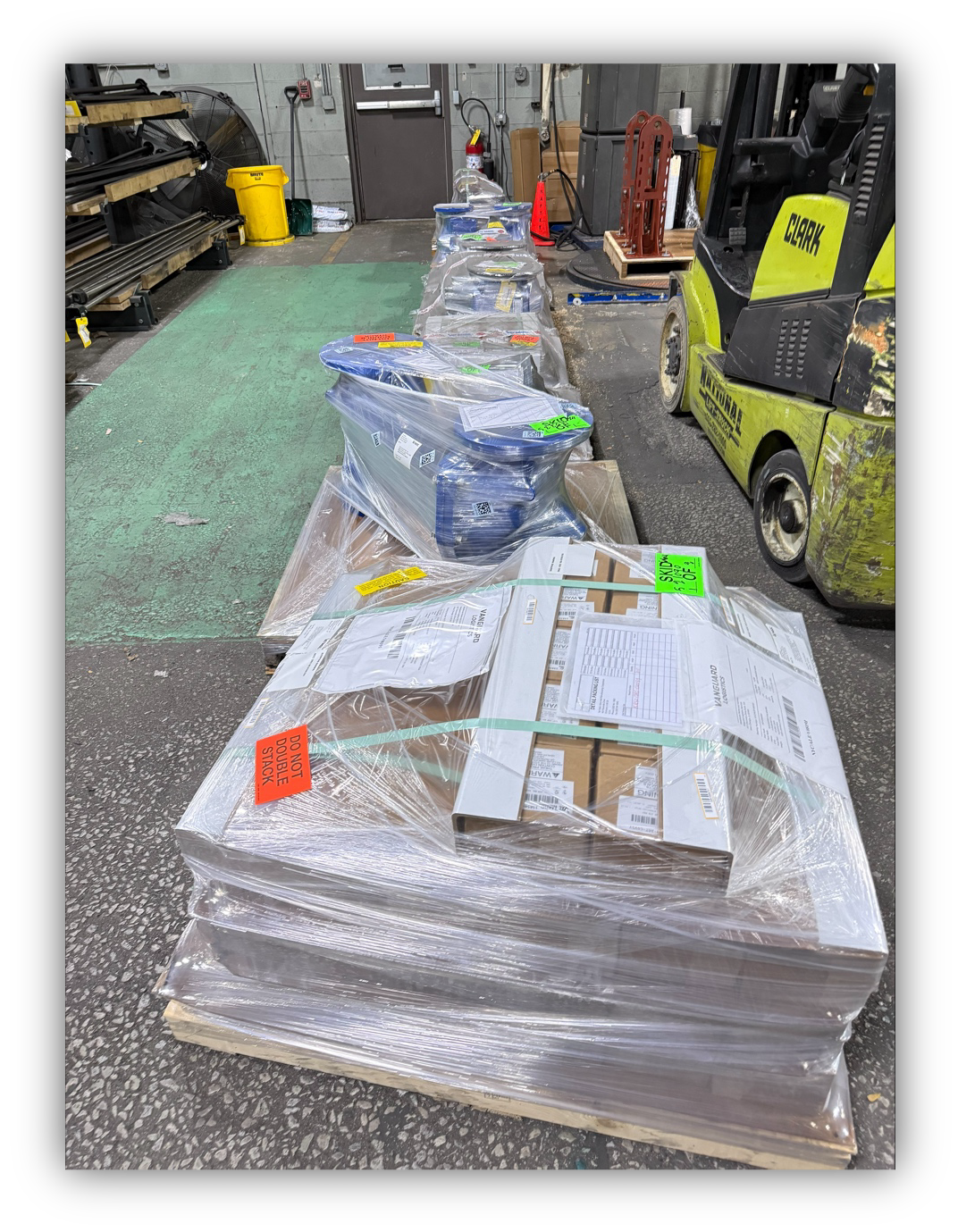
 The first opportunity to protect valve performance begins when the shipment arrives. Before accepting delivery, inspect the shipment for signs of damage. Val-Matic valves are packaged to help protect them from dust and moisture during transit, but shipping conditions can vary. Carefully examine the packaging and valve for any visible damage and verify that the correct valve type, quantity, and identification tags are present. If shipping damage is discovered, document it immediately before accepting the shipment. Hidden damage that goes unnoticed can become much larger operational issues later in the project.
Once the shipment has been inspected and accepted, proper handling is the next step in protecting the valve from unnecessary damage. Follow these methods to help ensure valves are moved safely and correctly:
- Moving valves around the warehouse or jobsite requires the proper lifting methods and equipment.
- Valves should always be lowered carefully to the ground without dropping or striking them against other object
 s. Even impacts that appear minor can damage sealing surfaces, coatings, or internal components.
- When lifting a valve, never attach slings or chains around the actuator or through the valve seat. Instead, use lifting straps or approved lifting eyes attached to the valve body or flanges. This distributes the load properly and prevents unnecessary stress on critical components.
- Special attention should also be given to valves equipped with electric motor or cylinder actuators. These assemblies require additional handling precautions, and the actuator manufacturer's recommendations should always be followed.
 Ideally, valves are installed shortly after delivery. When immediate installation isn't possible, proper storage becomes essential. For short-term storage, keep the valve in its original packaging whenever possible. Store it in a clean, dry location where it is protected from weather, dirt, and debris. Val-Matic ships resilient-seated valves in a slightly open position to prevent unnecessary compression of the seat. Maintaining this position during storage helps preserve sealing performance until installation.
When valves will be stored for more than six months, indoor storage is strongly recommended. During long-term storage:
- Leave flange covers in place to prevent contamination.
- Keep resilient-seated valves slightly open (approximately 3–5 degrees).
- Protect rubber components with a thin film of FDA-approved grease, such as Dow Corning #7.
- Avoid prolonged exposure to sunlight or ozone, which can degrade resilient materials.
Proper receiving, handling, and storage may seem like simple tasks, but they have a significant impact on long-term valve reliability. A few extra minutes spent inspecting a shipment, lifting a valve correctly, or protecting it during storage can help prevent costly failures years down the road. At Val-Matic, we are committed to delivering valves that perform reliably throughout their service life. Following these best practices helps ensure every valve arrives at installation in the same condition it left our factory—ready to provide dependable performance for years to come. Learn more by contacting us or taking the ‘Val-Matic Valve Receiving, Handling, and Storage’ VMU course.